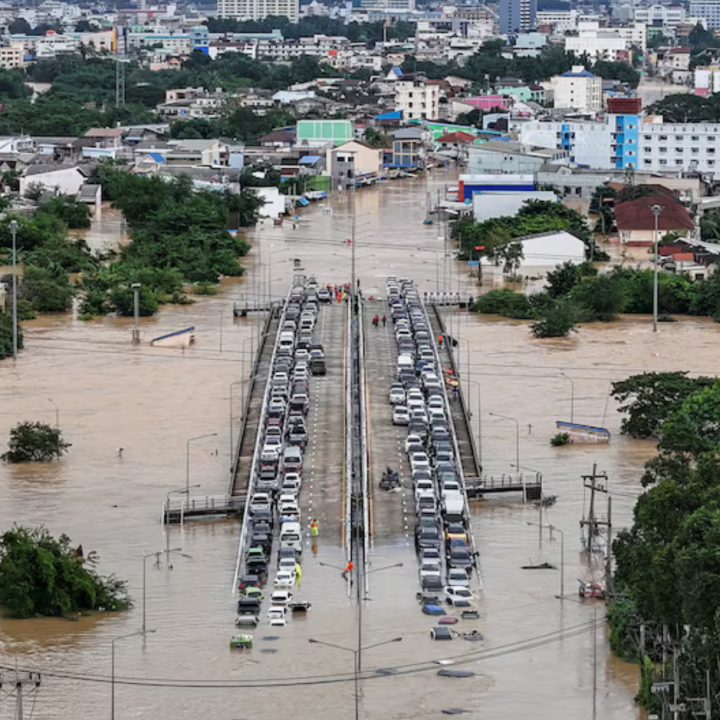
The conflict in the Middle East, particularly involving Iran, the US, and Israel in 2026, has created significant disruptions to Thailand’s logistics, resulting in increased shipping costs and stranded exports. The disruption is hitting the Thai economy through rising energy prices, shipping delays, and reduced consumer confidence, with risks to both exports and key industrial inputs.
 Here are the key impacts of the Middle East conflict on Thailand’s logistics:
- Shipping Disruptions and High Costs: Freight rates have nearly doubled and war-risk insurance premiums have surged, causing approximately 32 billion baht of goods to be stranded in transit. Shipping lines are avoiding conflict areas, causing delays, container shortages, and longer voyage times.
- Fuel and Production Costs: The conflict has led to higher oil prices, with diesel prices causing a 10–15% increase in production and logistics costs for farmers and exporters. This impacts transport costs throughout the supply chain.
- Energy Supply Concerns: Thailand relies heavily on the Middle East for energy. A prolonged conflict in the region, particularly around the Strait of Hormuz, threatens to disrupt oil and liquefied natural gas (LNG) imports.
- Export and Trade Impact: Thailand’s exports to the Middle East, worth around 33 billion baht monthly, face risks, with potential damages estimated at 60 billion baht if shipping routes are disrupted for two months. Key sectors affected include agricultural products and finished goods.
- Logistics Mitigation Strategies: To manage the disruption, Thai businesses are exploring alternative routes, using regional hubs like Singapore, and diversifying to closer markets such as ASEAN nations, India, and China.
Contact us today for more information.
info@royaltainer.com